As 10-year Treasury yields climb, investors are fixated on 3 percent, a level where many fear an equity market meltdown. Yet that threshold

Equity-market smiles don’t have to become frowns
Continue Reading

As 10-year Treasury yields climb, investors are fixated on 3 percent, a level where many fear an equity market meltdown. Yet that threshold
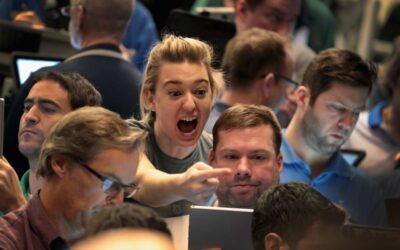
Get ready for the post-new normal.
Recent market volatility reflects more than just an unwinding of positions or the failure of a

Davos man must change. But that cannot mean rejecting the core commitment to the view that human ingenuity, fostered by open societies and
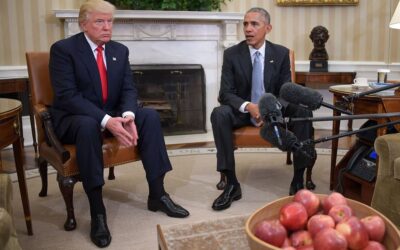
The first year of Donald Trump’s presidency was marked by some of the worst political turbulence in modern U.S. history. But when it

Sustained unconventional monetary policies in the years after the 2008 global financial crisis created the conditions for the second-longest

The past eight years were friendly to investors. Stock and bond prices soared, and volatility collapsed. For much of the period, the dispersion
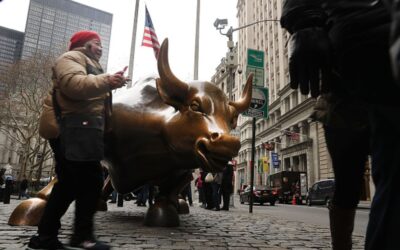
This year, equity markets have broadly advanced, despite significant gyrations in bond yields. That seems odd to some: How can stocks ignore
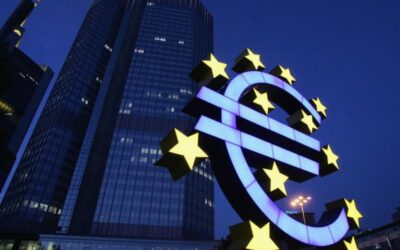
Over the next two weeks, investors will focus on monetary policy ahead of the European Central Bank meeting on June 8, which will be followed
In the 1962 thriller “Cape Fear,” an ex-convict, Max Cady, stalks the prosecutor who put him behind bars, seeking revenge. The
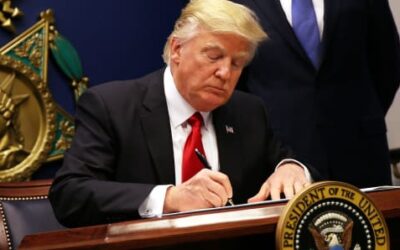
President Donald Trump has inherited an economy that is in much better shape than his predecessor did eight years ago. Nonetheless the new

The politics of economic anxiety has now driven the electorates of the UK and the US into the hands of populists, and more countries’
In the current low-return environment savers can be forgiven for asking, why should an ever-larger fraction of their meagre gains be paid

As the US Federal Reserve inches closer to achieving its targets for the domestic economy, it faces growing pressure to normalize monetary

In recent weeks, the US Federal Reserve has adopted a more gradual approach to policy normalization, causing commodity and emerging markets

The world’s political and economic leaders have ranged far and wide in search of reasons for the recent spike in global financial volatility.

Oil prices have been a source of great concern for capital markets, yet should we be worried?
After all, the imbalances between supply

Investors worldwide are fretting about global demand conditions, fearing, for example, a potential hard landing in China and the repercussions
Income and wealth disparities have grown dramatically since the global financial crisis erupted in 2008. But normalization of US monetary
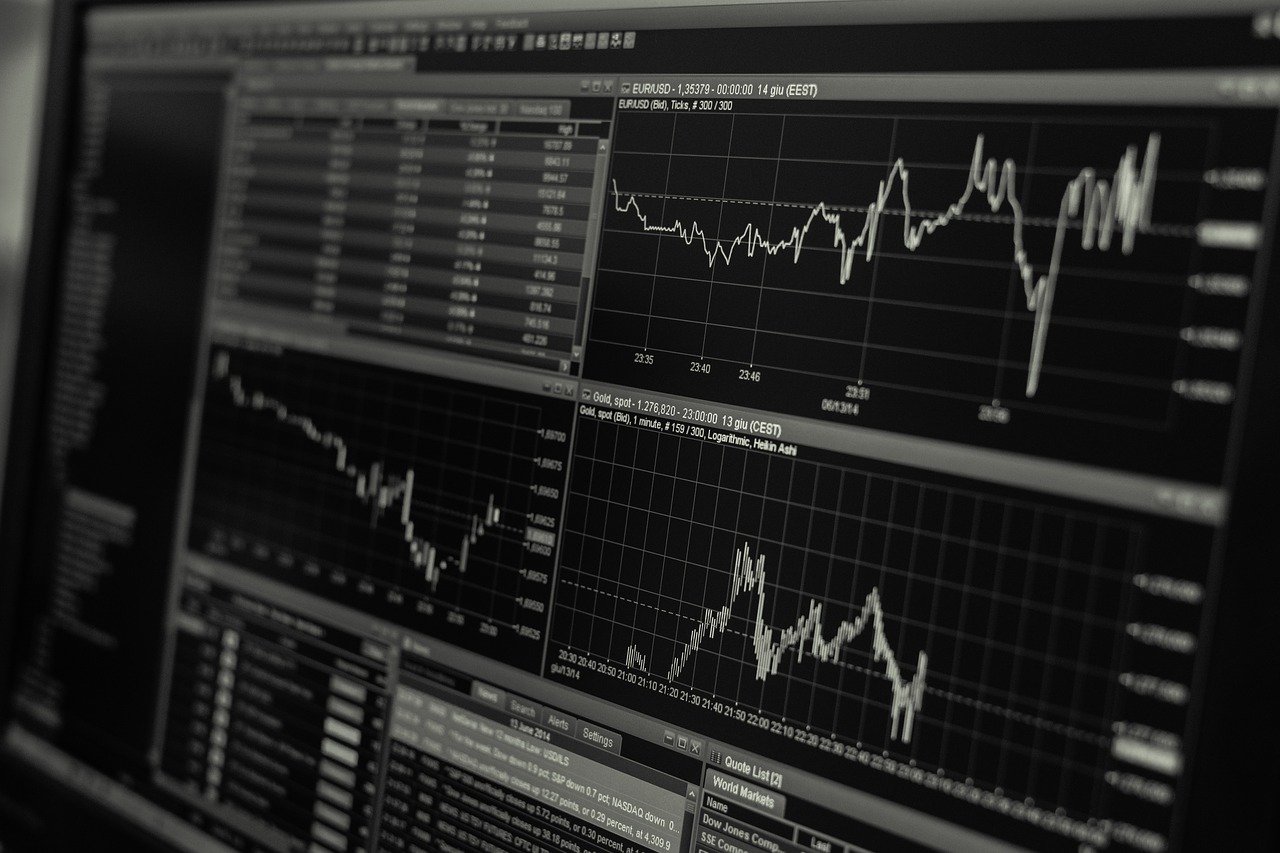
Reports of the demise of active investment management are widespread, with passively managed products surging in popularity. But while many

Today’s world is more economically and financially integrated than at any time since the latter half of the nineteenth century. But policymaking

Today’s world is more economically and financially integrated than at any time since the latter half of the nineteenth century. But policymaking
In the latest twist, markets have been rallying on hopes that central banks will ease. That’s odd. After all, it was only last month
The Chinese have a saying: “Take a second look; it costs you nothing.” This advice is apt in the context of China’s current stock-market
In his Pulitzer-Prize-winning book, Lords of Finance, economist Liaquat Ahamed tells how four central bankers, driven by staunch adherence